
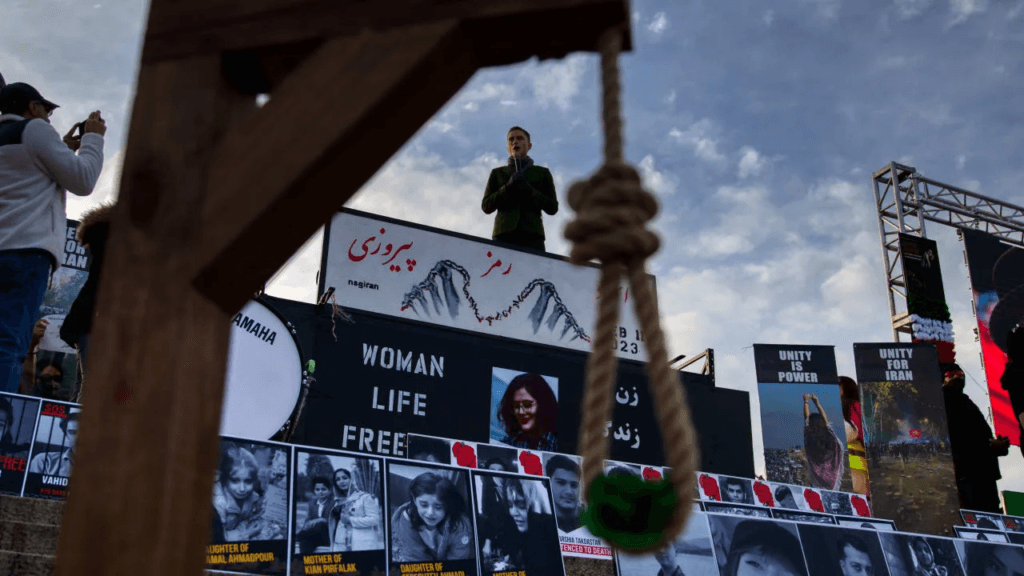
The execution of 18-year-old musician Amir Hossein Hatami has intensified scrutiny of Iran’s response to recent protests, drawing condemnation from human rights groups and raising urgent questions about due process and state power. His death—carried out at Ghezel Hesar prison near Tehran —has become a flashpoint in a broader pattern of Iran protest executions that critics say reflect a rapid escalation in state crackdowns. Hatami’s case is not isolated. It sits at the intersection of political unrest, international tensions, and a justice system under global scrutiny. Amir Hossein Hatami, an 18-year-old musician, was executed after being convicted of national security offences linked to protests that erupted in January. According to Iran’s judiciary: Hatami was sentenced to death in February, less than a month after his arrest—along with six others tied to the same case. The speed of the trial has drawn significant criticism. Fast-track prosecutions in politically sensitive cases often raise concerns about: The execution of Hatami marks the fourth known case linked to protests that began in late December over rising living costs. What started as demonstrations over inflation and economic hardship quickly evolved into broader anti-government protests. Key developments include: Authorities have increasingly used capital punishment in protest-related cases. For example: This pattern signals a shift from crowd control to deterrence through severe penalties. Human rights organisations have sharply criticised Iran’s handling of these cases, particularly the use of expedited trials and capital punishment. Amnesty International has labeled Hatami’s execution as “grossly unfair,” citing: The Norway-based NGO Iran Human Rights has issued a stark warning: The surge in Iran protest executions comes amid heightened tensions between Iran and Western powers. According to reports: This geopolitical backdrop has likely influenced domestic policy, with authorities framing protest actions as foreign-backed threats. Iran’s judiciary has increasingly characterised protest-related offences as: These charges carry severe penalties, including the death sentence, and are often used in politically sensitive cases. The legal proceedings in Hatami’s case—and others like it—have drawn intense scrutiny. The trial was overseen by a judge widely known for issuing harsh sentences in political cases. Critics argue that: Defense lawyers have raised serious concerns, including: These claims, if substantiated, would significantly alter the narrative presented by authorities. The execution of Amir Hossein Hatami resonates far beyond Iran’s borders. The case highlights ongoing global concerns about: Domestically, these executions may serve as a deterrent. Internationally, they raise questions about: The situation remains fluid, with several key developments to watch:
Iran's Execution of 18-Year-Old Musician Sparks Global Condemnation and Concerns Over Due Process
Breezy Scroll•
Full News
Share:
Disclaimer: This content has not been generated, created or edited by Achira News.
Publisher: Breezy Scroll
Want to join the conversation?
Download our mobile app to comment, share your thoughts, and interact with other readers.