
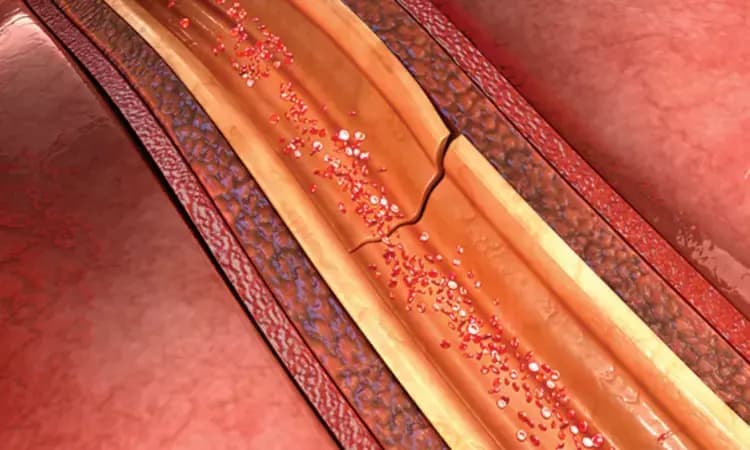
Understanding a Unique Cardiac Threat Spontaneous coronary artery dissection (SCAD) is an increasingly recognized cause of heart attacks in women, but its connection to pregnancy—known as pregnancy-associated SCAD (P-SCAD)—remains poorly understood. A large, contemporary study published in JAMA Cardiology leverages the iSCAD Registry to compare reproductive and clinical profiles of women with P-SCAD to those with non–pregnancy-associated SCAD (NP-SCAD). Who Was Studied? Researchers examined 907 women, all with a history of pregnancy and SCAD. Of these, 98 had P-SCAD, meaning their SCAD occurred during pregnancy or within a year postpartum. Compared to the general population, women with P-SCAD were older at the time of their cardiac event, with a median age of 36.7 years. Distinctive Risk Patterns and Reproductive Background Women with P-SCAD were found to have a strikingly different risk profile: Higher rates of adverse pregnancy outcomes: Preeclampsia was notably more common in the P-SCAD group (25% vs. 13% in NP-SCAD). Greater use of fertility treatments: Assisted reproductive technology (ART) was used by 26% of P-SCAD women, far higher than both NP-SCAD women and the national average. More pregnancies: Multigravidity (over five pregnancies) was more frequent in the P-SCAD group. Delivery and postpartum trends: Vaginal delivery was more common, and two-thirds were breastfeeding or pumping at the time of SCAD. Clinical Severity and Outcomes P-SCAD was associated with a more severe clinical presentation: More severe heart attacks: ST-elevation myocardial infarction (STEMI) occurred in 18.6% of P-SCAD cases compared to just 5.5% of NP-SCAD. Worse heart function: A larger proportion of P-SCAD patients had significant reductions in left ventricular ejection fraction (LVEF), with less recovery at one year. Increased in-hospital complications: Major adverse cardiac events (MACE) were higher in P-SCAD (10% vs. 5% in NP-SCAD). Conservative management prevailed: Most women in both groups were managed medically rather than with invasive procedures. The Emotional Toll The study highlights the mental health impact, with notable rates of anxiety and post-traumatic stress symptoms among P-SCAD survivors. One patient’s powerful personal account vividly illustrated the life-altering and emotional challenges faced by young mothers struck by this rare condition. Why These Findings Matter This registry-based investigation is the largest of its kind, bringing attention to the necessity for tailored counseling and follow-up for women who experience SCAD during or soon after pregnancy. It underscores the need for clinicians to recognize reproductive history and pregnancy complications as key risk markers for SCAD. Key Takeaways Pregnancy-associated SCAD is linked to older maternal age, higher use of ART, and more adverse pregnancy outcomes. Preeclampsia and multigravidity are more frequent in women with P-SCAD. P-SCAD leads to more severe heart attacks and worse heart function recovery than NP-SCAD. Most women with SCAD, regardless of pregnancy association, are treated conservatively. Mental health impacts are significant and should be proactively addressed in follow-up care. Citation: Koczo A, Grodzinsky A, Kim ESH, et al. Pregnancy-Associated Spontaneous Coronary Artery Dissection: A Report of the iSCAD Registry. JAMA Cardiology. Published online March 29, 2026. doi:10.1001/jamacardio.2026.1009
Pregnancy-Associated Spontaneous Coronary Artery Dissection: A Report of the iSCAD Registry
Medical Dialogues•
Full News
Share:
Disclaimer: This content has not been generated, created or edited by Achira News.
Publisher: Medical Dialogues
Want to join the conversation?
Download our mobile app to comment, share your thoughts, and interact with other readers.