
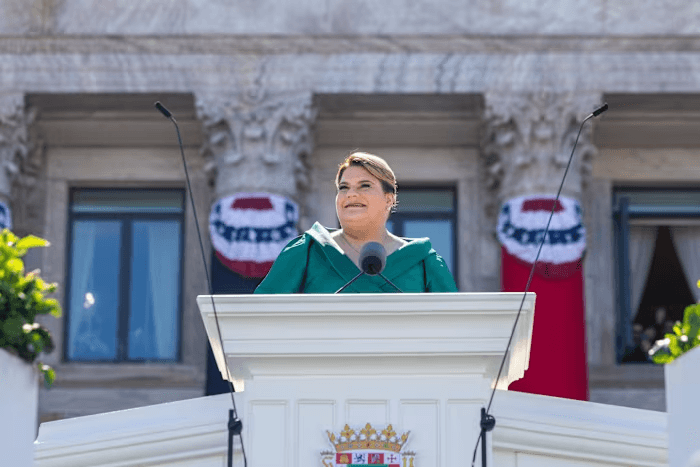
Puerto Rico has passed a law recognizing a fetus as a “human being,” setting off an intense legal and political debate across the U.S. territory. Supporters say the change brings clarity and justice for unborn victims of violent crimes. Critics warn it could jeopardize abortion rights in Puerto Rico and reshape how doctors handle complicated pregnancies. The amendment, signed by Gov. Jenniffer González Colón, modifies the island’s penal code to formally recognize an unborn child as a human being in the context of homicide law. While the governor’s office frames the measure as a technical alignment between civil and criminal statutes, medical and legal experts say its implications could stretch far beyond that. At its core, the new legislation amends Puerto Rico’s definition of murder to include an unborn child as a human being. Under the previous law, killing a pregnant woman and causing the death of her fetus could already trigger serious criminal charges. The new amendment aims to “maintain consistency between civil and criminal provisions,” according to the governor’s office. The key change lies in formal legal recognition. By defining a fetus as a human being within the penal code:
Puerto Rico Passes Law Recognizing Fetus as Human Being, Sparking Debate
Breezy Scroll•
Full News
Share:
Disclaimer: This content has not been generated, created or edited by Achira News.
Publisher: Breezy Scroll
Want to join the conversation?
Download our mobile app to comment, share your thoughts, and interact with other readers.