
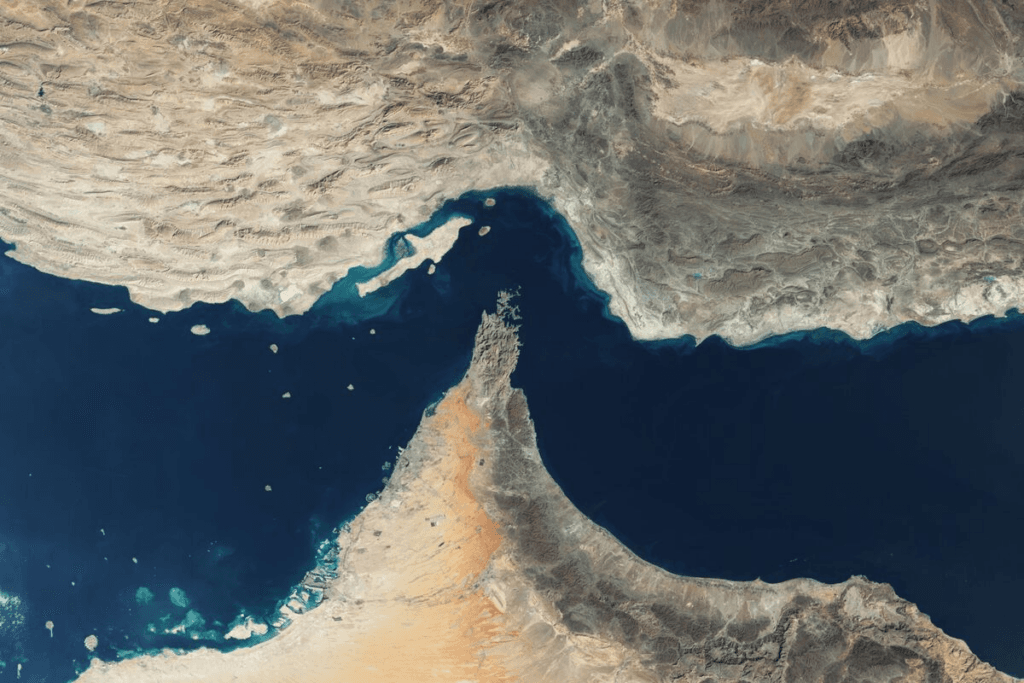
The reopening of the Strait of Hormuz, one of the world’s most critical oil transit routes, is facing fresh delays. The reason is both technical and strategic. Iran is reportedly struggling to locate and clear sea mines it is believed to have deployed during the recent conflict. The situation is more than a regional disruption. It is a pressure point for global energy markets, diplomatic negotiations, and maritime security. And it reveals how modern conflicts can create problems that outlast the fighting itself. The Strait has remained effectively closed for over a month, halting most commercial shipping due to the risk of underwater mines and potential attacks. According to U.S. officials cited by major media reports, Iran may not have precise records of where all its mines were placed. Some of the devices may have drifted due to ocean currents, making detection significantly harder. The Strait is a narrow maritime corridor connecting the Persian Gulf to global markets. Its importance cannot be overstated. When this chokepoint shuts down, the ripple effects spread fast. Oil prices react, shipping insurance costs spike, and supply chains tighten. At first glance, it may seem surprising that a country would struggle to remove weapons it has deployed itself. In reality, naval mine warfare is notoriously complex. Sea mines are designed to be difficult to track and neutralize. Once deployed, they can become unpredictable. Even advanced militaries face constraints. The United States Navy , for example, relies on specialized ships and underwater drones for mine countermeasures. This means clearing the Strait is not just a political decision. It is a slow, technically demanding operation. The delayed reopening is now a central issue in ongoing diplomatic efforts. JD Vance has arrived in Islamabad for talks with Iranian officials, where the Strait’s status is expected to dominate discussions. Donald Trump has reportedly pushed for reopening deadlines tied to a pause in military actions. Iran, meanwhile, appears to be using the Strait as leverage in negotiations. Countries like India are particularly vulnerable to disruptions in the Strait. For India, which imports a large share of its oil, even a short-term disruption can have lasting economic consequences. The longer the Strait remains closed, the higher the stakes. At the same time, there are incentives for de-escalation. Prolonged disruption benefits neither global markets nor the countries directly involved. This is not just a regional maritime issue. It is a case study in how modern conflicts intersect with global systems. The Strait of Hormuz reopening delay highlights a simple but often overlooked reality: ending a conflict is one thing, undoing its consequences is another.
Strait of Hormuz Reopening Delayed Amid Technical and Strategic Challenges
Breezy Scroll•
Full News
Share:
Disclaimer: This content has not been generated, created or edited by Achira News.
Publisher: Breezy Scroll
Want to join the conversation?
Download our mobile app to comment, share your thoughts, and interact with other readers.